For many women/non-binary people, midlife isn’t a crisis—it’s an invitation to pause, reflect, and rediscover who they are.
By this stage of life, you may have spent years caring for others, building a career, raising a family, supporting loved ones, or meeting expectations that left little room to ask yourself an important question:
How am I really doing?
Midlife often brings multiple transitions at once. Hormonal changes, evolving relationships, career shifts, caregiving responsibilities, aging parents, changing family dynamics, grief, health concerns, or an empty nest can all arrive within a relatively short period. While these experiences can feel overwhelming, they also create an opportunity to reconnect with yourself and intentionally shape the next chapter of your life.
Why Midlife Can Feel Emotionally Intense
Midlife is a unique developmental stage. For many women/non-binary people, it overlaps with perimenopause, menopause, or postmenopause, bringing changes in hormones that can affect mood, sleep, memory, concentration, and energy. These physical changes often occur alongside increasing responsibilities at work and home.
Research suggests that women/non-binary people in midlife are at greater risk for anxiety, depression, emotional exhaustion, and burnout. Hormonal changes can amplify existing stress, while years of putting others first may leave little time to care for yourself.
Many women/non-binary people describe feeling more emotionally sensitive than they used to. Others notice increased irritability, difficulty sleeping, or a sense that they’re no longer coping in ways that once worked. Some experience “brain fog” or trouble concentrating, which can feel unsettling but is often linked to hormonal changes, stress, and disrupted sleep rather than simply getting older.
These experiences are real, common, and deserving of support.
Midlife Is Also a Time of Growth
Although midlife brings challenges, it also offers remarkable opportunities for personal growth.
Many women/non-binary people begin asking themselves:
- Am I living according to my own values?
- What do I want the next chapter of my life to look like?
- Which relationships truly support my well-being?
- What parts of myself have I neglected while caring for everyone else?
These questions aren’t signs that something is wrong. They often reflect growing self-awareness and a desire to live more authentically.
Some women/non-binary people choose to strengthen long-term relationships through better communication and healthier boundaries. Others decide it’s time to leave unhealthy relationships or embrace life on their own. Many rediscover interests, careers, friendships, or creative pursuits that had been placed on hold for years.
Midlife is not about becoming someone different—it’s about becoming more fully yourself.
The Hidden Weight Many Women/Non-binary People Carry
One of the most common experiences women/non-binary people describe during midlife is feeling emotionally exhausted while continuing to function at a high level.
You may appear capable on the outside while privately carrying years of accumulated stress, unresolved grief, disappointment, or trauma. Over time, these experiences can contribute to anxiety, depression, chronic tension, sleep problems, or feeling disconnected from yourself.
Sometimes what feels like a “midlife problem” is actually years of emotional experiences finally asking to be acknowledged and healed.
How Psychotherapy Can Help
Therapy offers a confidential, supportive space to make sense of everything that’s changing—emotionally, physically, and psychologically.
Working with a therapist can help you:
- Better understand anxiety, mood changes, and emotional overwhelm
- Develop healthier ways to manage stress and regulate emotions
- Improve sleep and reduce the impact of chronic stress
- Navigate menopause and other life transitions with greater confidence
- Strengthen relationships and establish healthier boundaries
- Process grief, divorce, caregiving challenges, or career changes
- Rebuild self-esteem and reconnect with your identity
- Create a more meaningful and intentional future
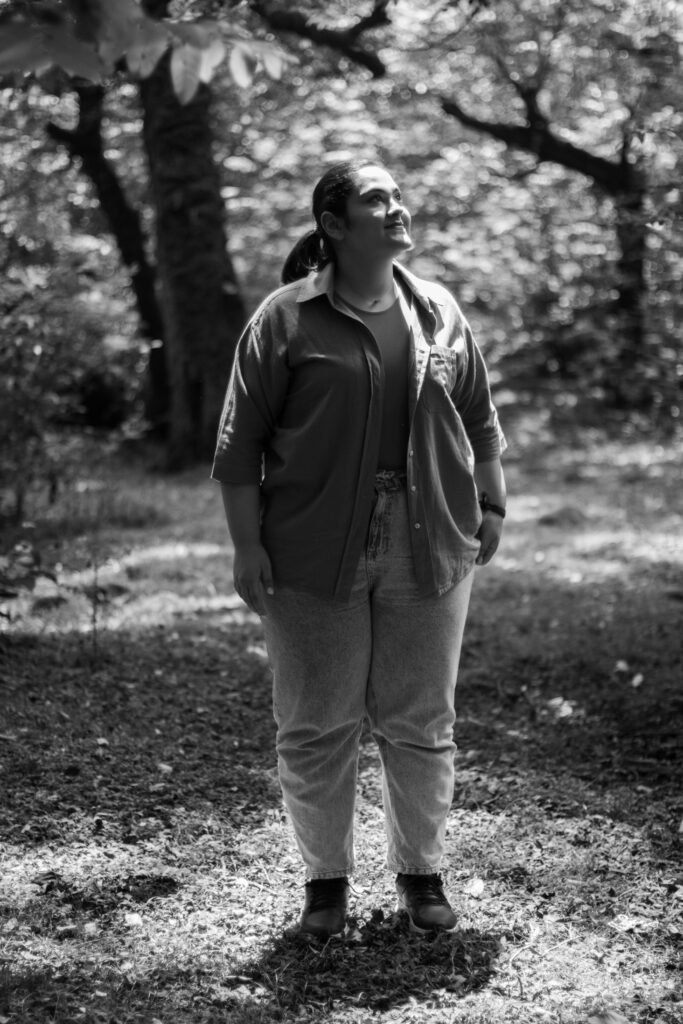
Depending on your needs, an integrative approach may include evidence-informed therapies such as Eye Movement Desensitization and Reprocessing (EMDR), parts work and somatic therapy.
EMDR helps the brain reprocess distressing memories and experiences that continue to influence the present. It can be particularly effective for trauma, anxiety, grief, burnout, and long-standing negative beliefs that may have developed over a lifetime.
Embodied parts work helps people listen to their body and develop compassion and understanding for all parts of themselves, reducing inner conflict and nervous system activation.
Midlife isn’t asking you to become someone new. It’s inviting you to come home to yourself. With the right support, this season of life can become one of healing, clarity, and renewed purpose—where you no longer live only for others, but begin living in a way that honours your own needs, values, and authentic self.